

College football’s postseason turbulence has reignited debate over the sport’s rapidly shifting power structure, with financial disparity now at the center of the conversation.
As NIL spending, revenue sharing, and the transfer portal continue to reshape roster construction, concerns have grown among coaches and administrators that the system lacks meaningful oversight. Accusations of tampering, contract disputes involving star quarterbacks, and ongoing legal challenges to NCAA eligibility rules have only amplified calls for reform.
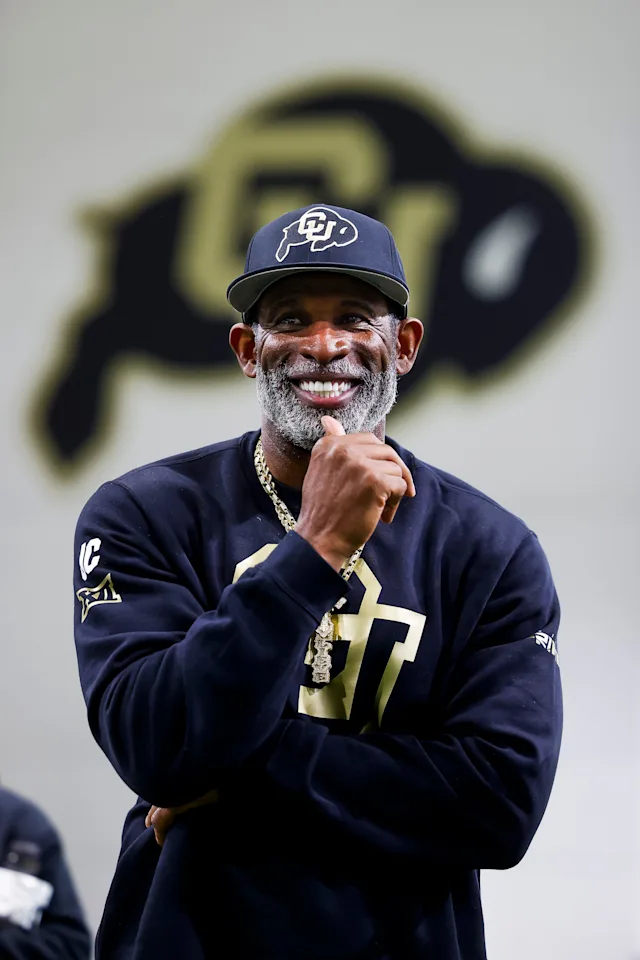
Deion Sanders added his voice to that growing chorus Friday, openly questioning the sustainability of the current NIL landscape during an appearance on First Take.
Sanders argued that unchecked NIL spending has created an uneven playing field, allowing a small group of well-funded programs to separate themselves from the rest of the sport.
“It’s tough, but I don’t think what NIL is presenting is sustainable,” Sanders said. “You see the same teams winning and winning because of the finances some boosters and donors can give. That needs to be fixed.”
The fourth-year head coach emphasized that while athlete compensation is long overdue, it requires structure and accountability to prevent competitive imbalance.
“I love it that the kids can be compensated,” Sanders added. “But there should be rules and guidelines for that compensation, to hold them accountable.”
Those concerns have intensified since last summer’s House settlement effectively dismantled the NCAA’s traditional amateurism model and ushered in direct revenue sharing. In the months since, the gap between college football’s financial elite and the rest of the field has widened dramatically.
Programs such as Indiana Hoosiers, Miami Hurricanes, and Texas Tech Red Raiders have leveraged massive NIL resources to aggressively rebuild rosters through the transfer portal. This offseason, Lane Kiffin reinforced his “Portal King” reputation by guiding LSU Tigers to the nation’s No. 2-ranked 2026 transfer class, featuring 40 incoming players.
Spending figures illustrate the divide. According to On3, 2024 CFP champion Ohio State Buckeyes operated with an NIL budget near $35 million. Miami followed at roughly $30 million, with Texas Tech exceeding $28 million. Even newly crowned national champion Indiana reportedly sat just under $20 million.
Where Colorado Buffaloes rank financially remains unclear, though Sanders’ comments suggested the program operates well below the sport’s biggest spenders.
Until formal governance or centralized oversight emerges, college football’s financial arms race shows little sign of slowing. For now, Sanders’ message reflects a growing belief across the sport: compensation is here to stay, but regulation may be the only path toward competitive balance.